She closed the browser. But the page stayed open in a background process she couldn't kill. The next morning, she found a new folder on her desktop: . Inside, 17,000 video files, each one from a different camera, each one labeled with a date and a location she'd never visited.
Yes, publicly accessible Axis IP cameras can be found using the Google search query intitle:"Live View / - AXIS" .
Elena assumed it was a scrapped search operator—a way to find unsecured Axis network cameras from the early 2010s. Back then, "intitle: live view" and "intitle: axis" were known Google dorks, crude but effective tools for stumbling upon unprotected security feeds. Factories, parking lots, fish farms. The "free" part was odd, though. Free what? Free access? Free speech? Free will?
The search query is a perfect case study of the double-edged sword known as the Internet of Things. On one side, it represents incredible accessibility—anyone with a browser can appreciate Axis’ engineering brilliance via public demos. On the other side, it exposes the dark underbelly of misconfiguration: private lives inadvertently broadcast to the world.
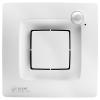 Бытовые вытяжные вентиляторы
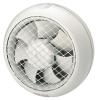 Вентиляторы для оконно-настенной установки
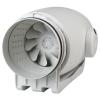 Канальные вентиляторы
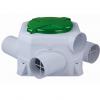 Мультизональные вытяжные вентиляторы
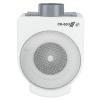 Бытовые кухонные вентиляторы
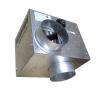 Вентиляторы для распределения теплого воздуха
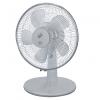 Бытовые вентиляторы
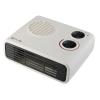 Обогреватели и конвекторы
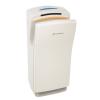 Фены и сушилки для рук
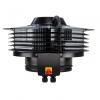 Крышные вентиляторы
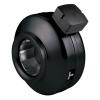 Вентиляторы с EC-двигателями
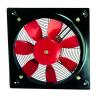 Осевые вентиляторы с монтажной пластиной
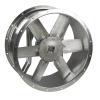 Осевые вентиляторы в цилиндрическом корпусе
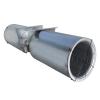 Струйные вентиляторы
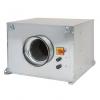 Вентиляторы в корпусе
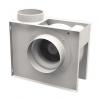 Центробежные вентиляторы
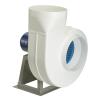 Пластиковы центробежные вентиляторы
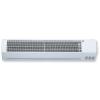 Воздушные завесы и тепловентиляторы
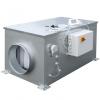 Приточные установки
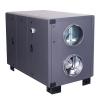 Приточно-вытяжные установки