Mature women in cinema are not a niche. They are a force. The best stories about love, power, regret, and joy often require the lived-in face and voice of a woman who has survived decades.
Social media has added a new pressure. Even as actresses play empowered characters, they are scrutinized for their real-life aging. Comments about "plastic surgery," "letting oneself go," or "trying too hard" flood Instagram posts of stars over 50. The hypocrisy remains: audiences want to see "authentic aging" on screen, but still reward actresses who look 30 at 60.
: Women over 50 represent roughly 20% of the U.S. population but only about 5%–8% of characters on screen.
| Challenge | Example | |-----------|---------| | Fewer leading roles after 45 | Maggie Gyllenhaal told at 37 she was “too old” to play a 55-year-old’s love interest. | | Ageism in auditions | “Not the right look” often means “looks her age.” | | Pressure for cosmetic procedures | Many speak out against it (Kate Winslet, Emma Thompson). | | Pay gap persists | Older actresses often paid less than male co-stars of same age. |
The entertainment landscape in 2026 is witnessing a powerful shift as "mature" women—typically defined in the industry as those over 40—are finally moving from the periphery to the center of complex storytelling. While ageism remains a persistent challenge, recent years have seen a "year of the comeback" for female creators and leads, particularly within streaming platforms.
Maria's expression didn't change, but Aidan noticed a flicker of interest. "I'm in," she said finally.
While mature women (aged 40–50+) have seen a recent surge in high-profile awards and lead roles, they remain significantly underrepresented in the entertainment industry compared to their male counterparts . New studies from 2025 and 2026 reveal a "steep drop-off" in visibility once women reach age 40, with female characters often relegated to secondary roles or stereotyped through the lens of physical decline. Current State of Representation
Alpha Male- Play With My Milf Housemaid -final-... __exclusive__ File
Mature women in cinema are not a niche. They are a force. The best stories about love, power, regret, and joy often require the lived-in face and voice of a woman who has survived decades.
Social media has added a new pressure. Even as actresses play empowered characters, they are scrutinized for their real-life aging. Comments about "plastic surgery," "letting oneself go," or "trying too hard" flood Instagram posts of stars over 50. The hypocrisy remains: audiences want to see "authentic aging" on screen, but still reward actresses who look 30 at 60.
: Women over 50 represent roughly 20% of the U.S. population but only about 5%–8% of characters on screen.
| Challenge | Example | |-----------|---------| | Fewer leading roles after 45 | Maggie Gyllenhaal told at 37 she was “too old” to play a 55-year-old’s love interest. | | Ageism in auditions | “Not the right look” often means “looks her age.” | | Pressure for cosmetic procedures | Many speak out against it (Kate Winslet, Emma Thompson). | | Pay gap persists | Older actresses often paid less than male co-stars of same age. |
The entertainment landscape in 2026 is witnessing a powerful shift as "mature" women—typically defined in the industry as those over 40—are finally moving from the periphery to the center of complex storytelling. While ageism remains a persistent challenge, recent years have seen a "year of the comeback" for female creators and leads, particularly within streaming platforms.
Maria's expression didn't change, but Aidan noticed a flicker of interest. "I'm in," she said finally.
While mature women (aged 40–50+) have seen a recent surge in high-profile awards and lead roles, they remain significantly underrepresented in the entertainment industry compared to their male counterparts . New studies from 2025 and 2026 reveal a "steep drop-off" in visibility once women reach age 40, with female characters often relegated to secondary roles or stereotyped through the lens of physical decline. Current State of Representation











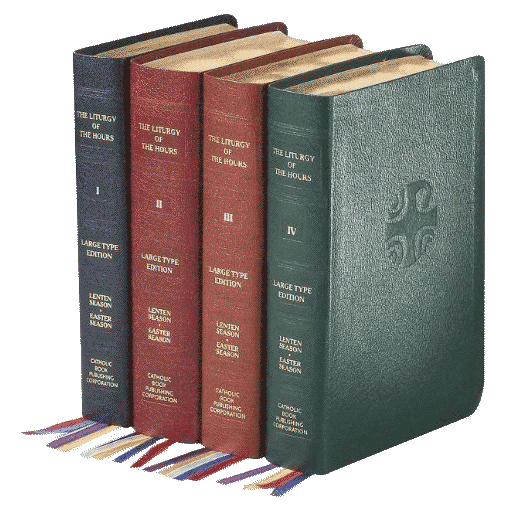
 Liturgy Of The Hours by DivineOffice.org App
 2000+ Catholic Prayers in 4 Languages
 Catholicpedia: the 1920s Catholic Encyclopedia at your fingertips
 Apple Podcasts
 Spotify
 YouTube
 RSS Feed
 Daily Mass Readings (USCCB)
 Catholic Bible (NABRE)
 Pray the Rosary











 Prayers
 Community
 More
More