Features
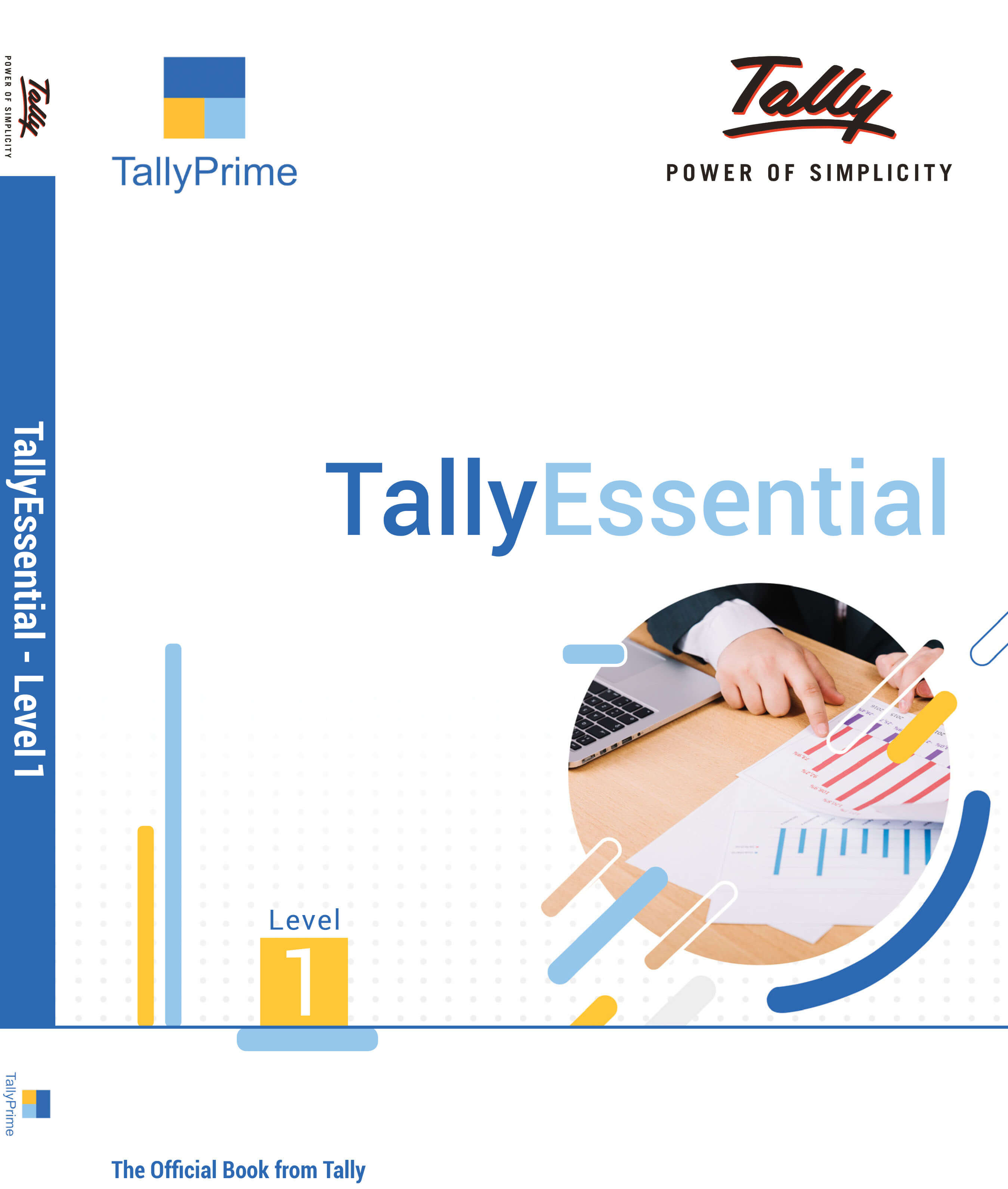
| Author | Tally Education Pvt. Ltd. |
| Language | English |
| Binding | Paperback |
| Publisher | Sahaj Enterprises |
| ISBN | |
| Year of Publishing | 2021 |
| Pages | 336 |
| Dimensions |
Available At:


Wildlife exploitation is another major issue, with many species threatened by habitat destruction, poaching, and climate change. The ivory trade, for example, has led to the slaughter of hundreds of thousands of elephants, while the demand for exotic pets has driven the capture and trade of millions of wild animals.
The crux of the debate lies in the status of the animal. Is the animal a resource to be managed humanely, or a being with an inherent right to exist free from human exploitation? i--- Zooskool Bestiality Bilara - Messy But Very Hot-.rar
Science has inadvertently backed the rights movement into a corner. We now know that: Wildlife exploitation is another major issue, with many
The answer lies in "cognitive dissonance." Most humans love their companion animals (dogs, cats) while simultaneously consuming products derived from animals with equal or greater cognitive complexity (pigs, cows). This creates a "moral schizophrenia," where the same being is categorized as "family" in one context and "food" in another based solely on arbitrary cultural norms. Is the animal a resource to be managed
The future of animal welfare depends on both systemic policy changes and individual choices. As technology advances, lab-grown meat and synthetic materials for clothing (like vegan leather) are making it easier for consumers to reduce their "animal footprint" without sacrificing quality of life.
| Author | Tally Education Pvt. Ltd. |
| Language | English |
| Binding | Paperback |
| Publisher | Sahaj Enterprises |
| ISBN | |
| Year of Publishing | 2021 |
| Pages | 336 |
| Dimensions |
Wildlife exploitation is another major issue, with many species threatened by habitat destruction, poaching, and climate change. The ivory trade, for example, has led to the slaughter of hundreds of thousands of elephants, while the demand for exotic pets has driven the capture and trade of millions of wild animals.
The crux of the debate lies in the status of the animal. Is the animal a resource to be managed humanely, or a being with an inherent right to exist free from human exploitation?
Science has inadvertently backed the rights movement into a corner. We now know that:
The answer lies in "cognitive dissonance." Most humans love their companion animals (dogs, cats) while simultaneously consuming products derived from animals with equal or greater cognitive complexity (pigs, cows). This creates a "moral schizophrenia," where the same being is categorized as "family" in one context and "food" in another based solely on arbitrary cultural norms.
The future of animal welfare depends on both systemic policy changes and individual choices. As technology advances, lab-grown meat and synthetic materials for clothing (like vegan leather) are making it easier for consumers to reduce their "animal footprint" without sacrificing quality of life.