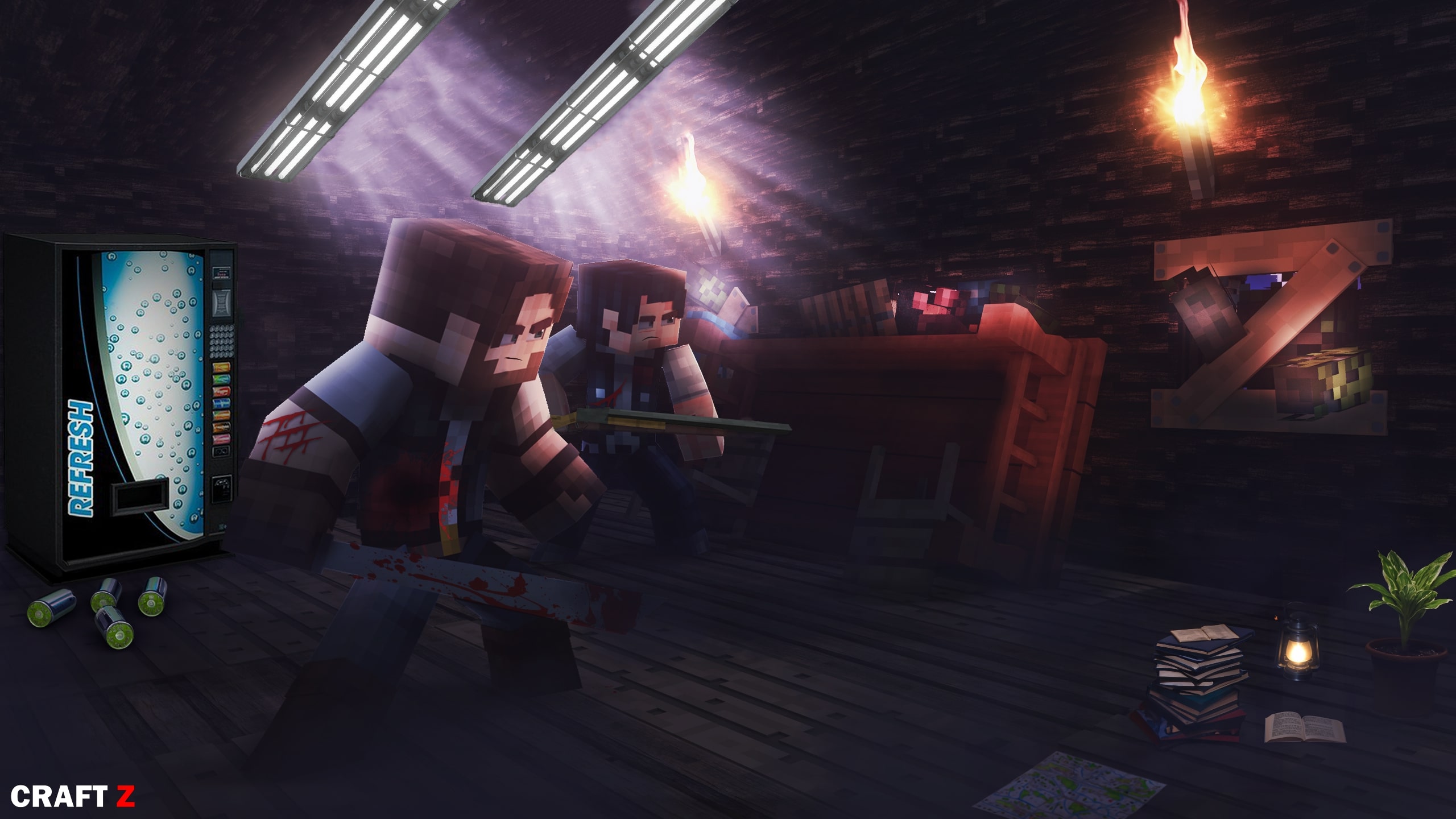
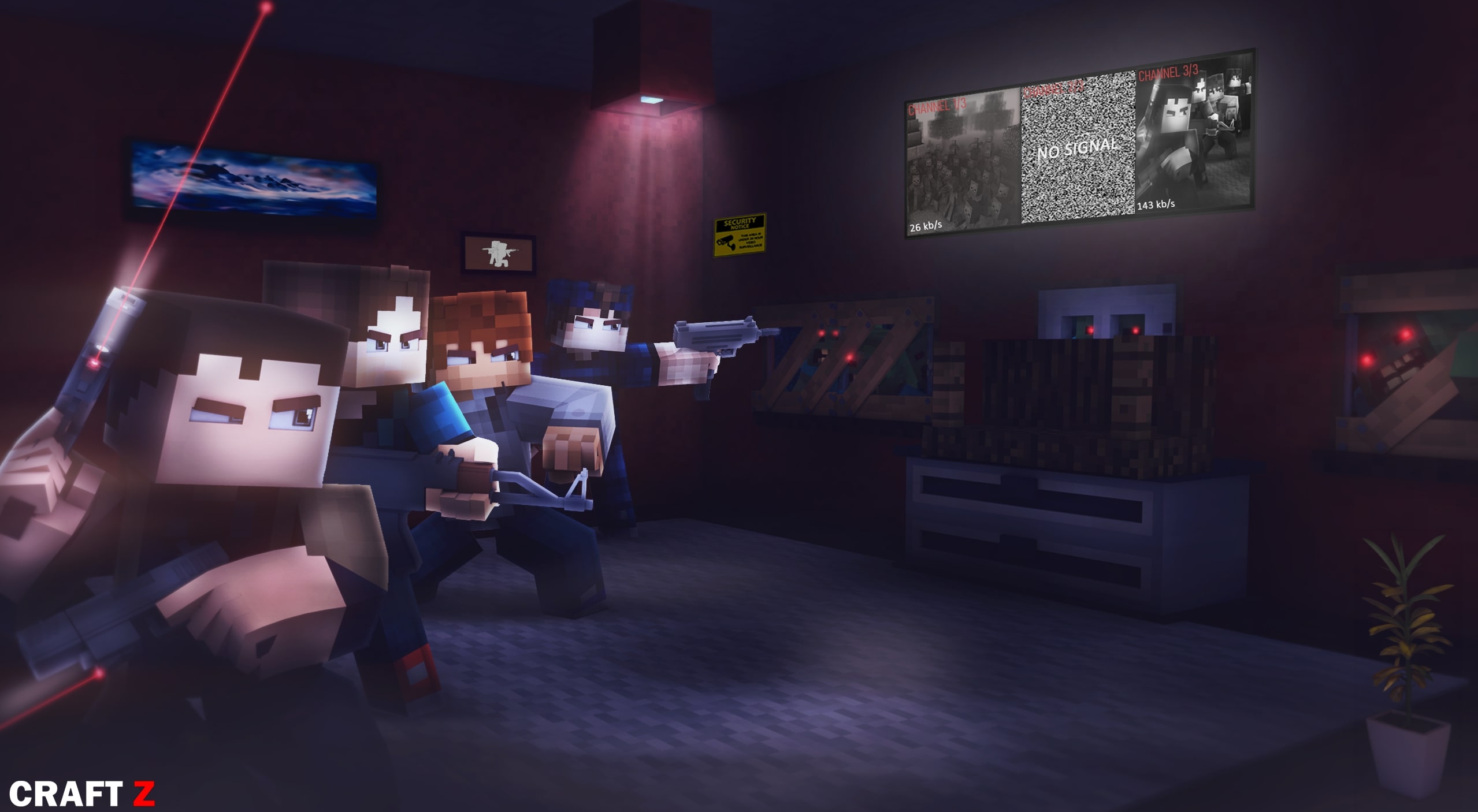
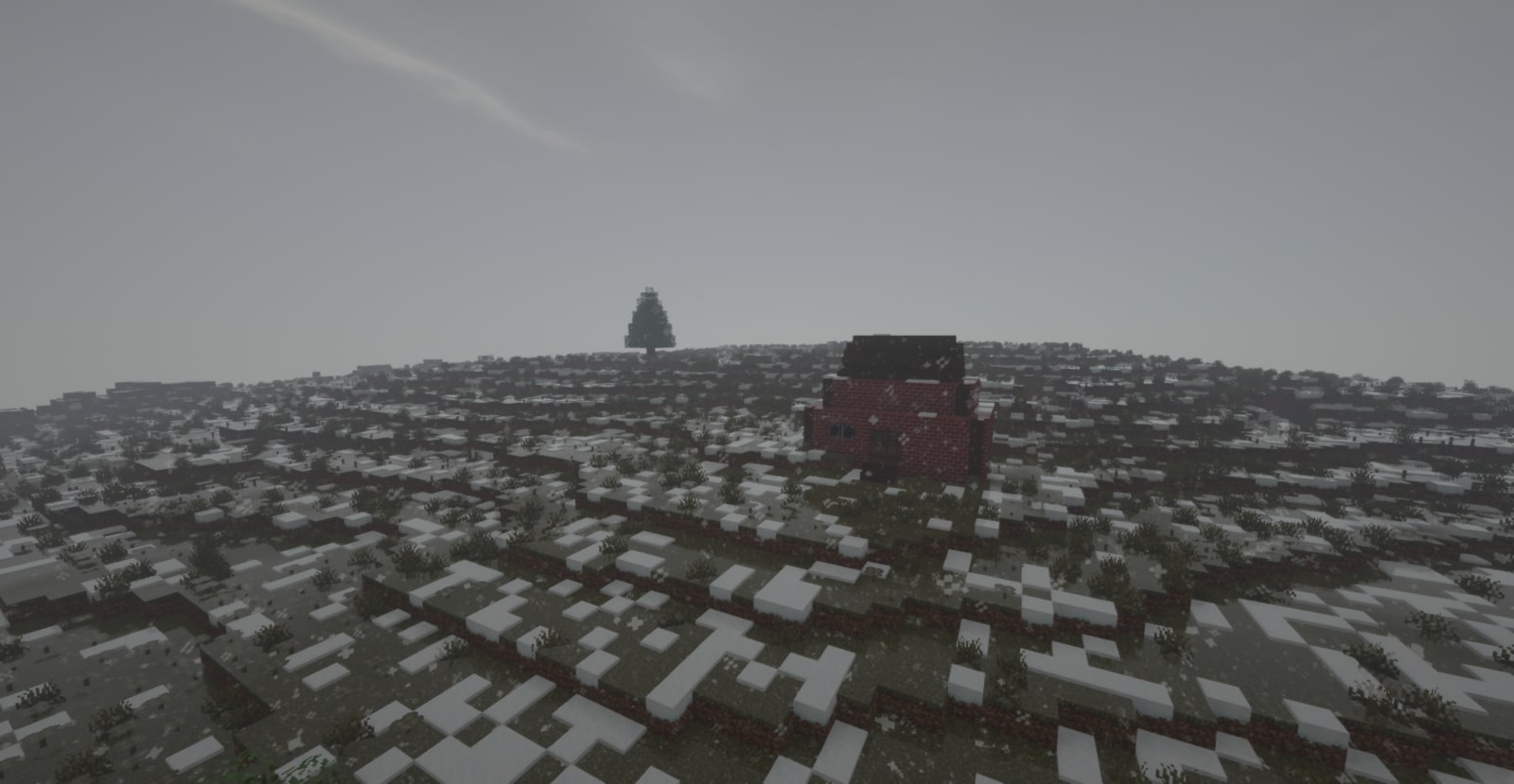
CraftZ is a Minecraft server dedicated to Zombie Survival and horror. Dive into an open world filled with challenges set in unique places!


Windows 10, 11

macOS
#KorgZ1 #VST #PhysicalModeling #SynthPlugin
Since a true Korg Z1 VST doesn't exist, how do you get that MOSS engine magic in your DAW?
The Z1 was built on Korg’s proprietary tone generator. Unlike a subtractive synth, the Z1 had no static oscillators. Instead, it ran six real-time DSP algorithms:
The Z1 was famous for its 13 oscillator algorithms, several of which are now available in the KORG Collection 5 :
: It shares the exact same core MOSS synthesis algorithms as the Z1 (reed, brass, and analog modeling).
In the pantheon of 1990s synthesizers, the Korg Z1 (1997) occupies a strange, revered corner. It is not a Virtual Analog synth like the JP-8000, nor a pure ROMpler like the Triton. It was Korg’s masterpiece of —a technology that uses mathematical algorithms to simulate the physics of acoustic instruments, rather than playing back samples.
#KorgZ1 #VST #PhysicalModeling #SynthPlugin
Since a true Korg Z1 VST doesn't exist, how do you get that MOSS engine magic in your DAW?
The Z1 was built on Korg’s proprietary tone generator. Unlike a subtractive synth, the Z1 had no static oscillators. Instead, it ran six real-time DSP algorithms:
The Z1 was famous for its 13 oscillator algorithms, several of which are now available in the KORG Collection 5 :
: It shares the exact same core MOSS synthesis algorithms as the Z1 (reed, brass, and analog modeling).
In the pantheon of 1990s synthesizers, the Korg Z1 (1997) occupies a strange, revered corner. It is not a Virtual Analog synth like the JP-8000, nor a pure ROMpler like the Triton. It was Korg’s masterpiece of —a technology that uses mathematical algorithms to simulate the physics of acoustic instruments, rather than playing back samples.